

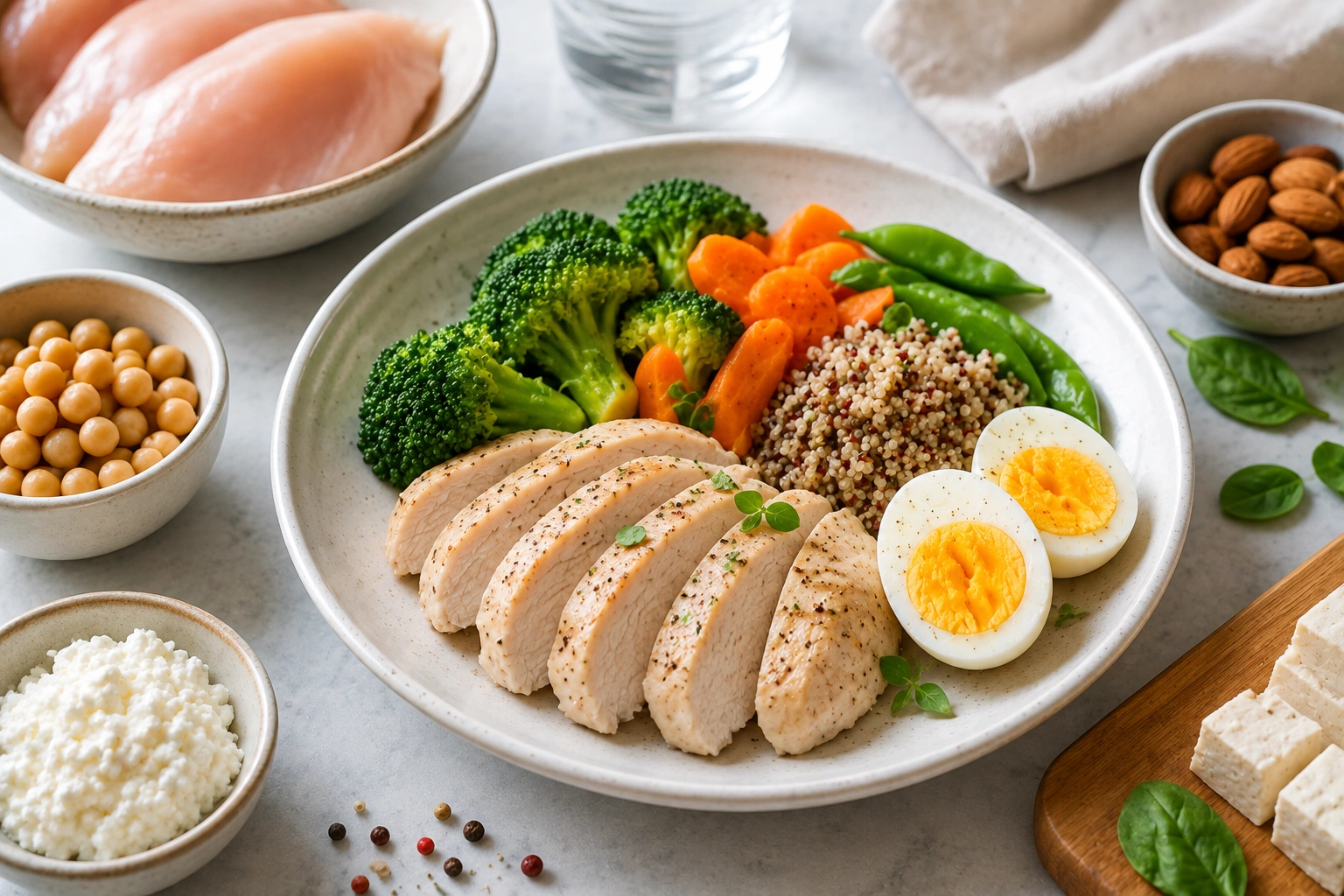
During weight management and lifestyle changes, many people naturally eat less due to reduced appetite, increased water intake, or conscious calorie restriction. Most people focus heavily on reducing total calorie intake, but protein intake is often overlooked.
Protein is an important part of a healthy diet, especially during weight loss. Adequate protein intake helps support muscle preservation, energy levels, fullness after meals, and long-term sustainability during lifestyle changes.
Without enough protein, people may lose not only fat but also muscle mass, which can affect strength, metabolism, and overall well-being.
Key Takeaway
- Protein is important for healthy lifestyle changes and weight management.
- Adequate protein helps preserve muscle, improve fullness, and support energy levels.
- Combined with balanced nutrition and healthy habits, sufficient protein can support sustainable weight loss and long-term results.
What Is Protein?
Protein is one of the three main macronutrients the body needs, alongside carbohydrates and fats. It plays an important role in maintaining muscle strength, producing hormones and enzymes, supporting digestion, and allowing the body to function properly.
Protein is also important for maintaining a healthy immune system and supporting recovery and repair within the body. Since the body constantly breaks down and rebuilds tissues, protein is a basic nutrient that needs to be consumed regularly through daily meals.
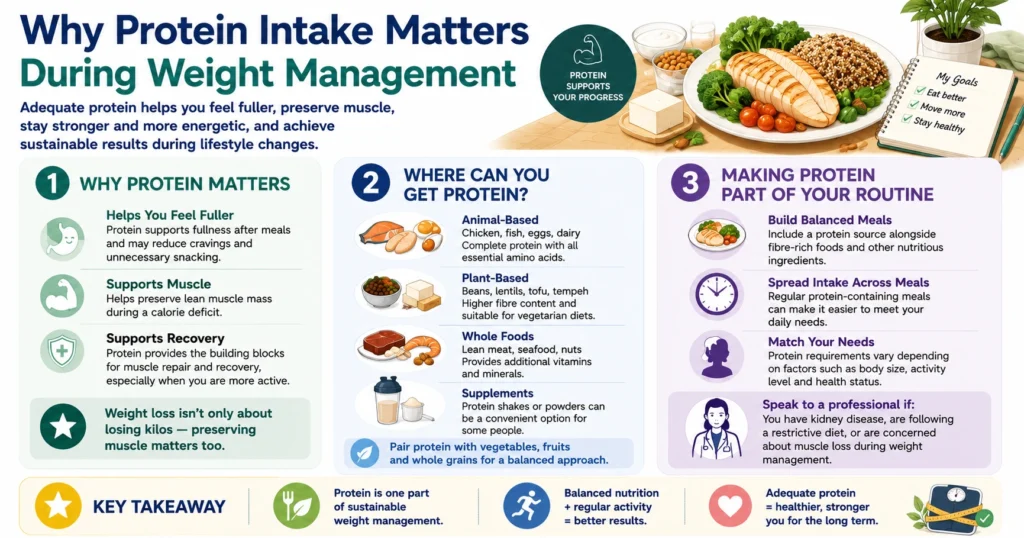
Why Protein Matters During Weight Management
Adequate protein intake is especially important during weight management.
Protein helps improve fullness after meals and may reduce cravings for junk food or unnecessary snacking. This can make calorie control more sustainable over time.
Protein also helps preserve lean muscle mass and maintain body strength during weight loss. Maintaining muscle is important because muscle tissue contributes to overall metabolism and physical function.
In addition, protein supports general well-being, immune system function, and recovery after exercise. During lifestyle changes, especially when exercising more or eating less, the body requires enough protein to rebuild and repair muscles properly.
What Happens During Weight Loss?
Many people feel happy when they see the numbers on the weighing scale drop. However, weight loss does not mean that only fat is being lost.
When calorie intake becomes lower than calorie expenditure, the body breaks down stored tissues for energy. This usually includes both fat and muscle.
Muscle loss commonly occurs during a calorie deficit, especially when protein intake is inadequate or when weight loss happens too rapidly. Lower muscle mass may affect metabolic rate and reduce overall energy expenditure.
As a result, some people may become tired more easily, feel weaker, or become hungry more frequently. This can eventually lead to overeating and difficulty maintaining long-term results.
How Protein Intake Affects Weight Management
Adequate protein intake may help improve appetite control and reduce excessive hunger during weight management.
Protein also helps preserve muscle mass and body composition, allowing the body to maintain better strength and body contour during weight loss.
People who consume enough protein may feel more energetic and physically capable of carrying out exercise and daily activities. This can improve long-term adherence to healthier lifestyle habits.
Overall, protein intake plays an important role not only in losing weight, but also in maintaining healthier and more sustainable results over time.
How To Get Enough Protein
Getting enough protein usually starts with proper meal planning and understanding the different sources of protein available.
Protein can come from:
- animal-based sources
- plant-based sources
- whole foods
- supplements
Different protein sources provide different nutritional benefits.
| Protein Source | Examples | Benefits |
|---|---|---|
| Animal-based protein | Chicken, fish, eggs, dairy | Complete protein with all essential amino acids |
| Plant-based protein | Beans, lentils, tofu, tempeh | Higher fibre content and suitable for vegetarian diets |
| Whole food protein | Lean meat, seafood, nuts | Provides additional vitamins and minerals |
| Protein supplements | Protein shakes, powders | Convenient option for some individuals |
It is also important to pair protein with fibre-rich foods such as vegetables, fruits, and whole grains to support fullness and overall nutrition.
Working on your weight goals? Book an online weight management consultation with a GoMed doctor or dietitian today to discuss personalised dietary strategies and get guidance tailored to your needs.
Common Misconceptions About Protein
“Too Much Protein Is Always Harmful”
Protein intake should be balanced according to individual needs. While excessive intake may not be suitable for certain individuals with kidney disease, moderate protein intake is generally safe for most healthy adults.
“Plant Protein Is Not Useful”
Plant-based proteins can still contribute significantly to daily protein intake. A balanced plant-based diet with a variety of protein sources can provide adequate nutrition.
“Protein Is More Important Than Carbohydrates”
Protein is important, but a healthy diet still requires balance. Carbohydrates provide energy, while fibre supports digestion and fullness. Sustainable nutrition usually involves balanced intake rather than eliminating entire food groups.
When Should You Speak To A Doctor Or Dietitian?
You may benefit from professional advice if:
- obesity or weight regain is becoming a concern
- you experience difficulty losing weight or repeated rebound weight gain
- you are struggling with meal planning
- you have medical conditions such as diabetes, high cholesterol, high blood pressure, or kidney disease
- you are elderly and losing significant muscle mass
- you are following restrictive diets
Professional guidance may help create a safer and more sustainable approach to weight management.
Frequently Asked Questions
How Much Protein Do I Need During Weight Loss?
Protein requirements vary depending on body weight, activity level, age, and medical conditions. Individualised advice from a healthcare professional may be helpful.
For average Singaporean adults aged 18-49, the recommended daily protein intake is approximately 0.8g/kg body weight. Meanwhile, older adults aged 50 and above have a higher recommended daily protein intake of 1.2g/kg bodyweight instead. On average, adults aged 18-49 should consume approximately 50g to 60g of protein a day.
Can I Get Enough Protein Without Supplements?
Yes. Many people can achieve adequate protein intake through regular meals and whole-food sources without needing supplements.
Is Protein Important If I Do Not Exercise?
Yes. Protein remains important for maintaining muscle mass, immune function, and normal body repair even in individuals who do not exercise regularly.
Are Protein Shakes Necessary?
Protein shakes are not always necessary. They may be useful for convenience in some individuals, but whole food sources are generally encouraged whenever possible.
References
- Harvard T.H. Chan School of Public Health. Protein.
- Academy of Nutrition and Dietetics. Protein and Weight Loss.
- National Institutes of Health (NIH). Dietary Protein and Muscle Mass.
- World Health Organization (WHO). Healthy Diet Guidelines.
- Singapore Health Promotion Board. Healthy Eating and Nutrition Guidelines.