

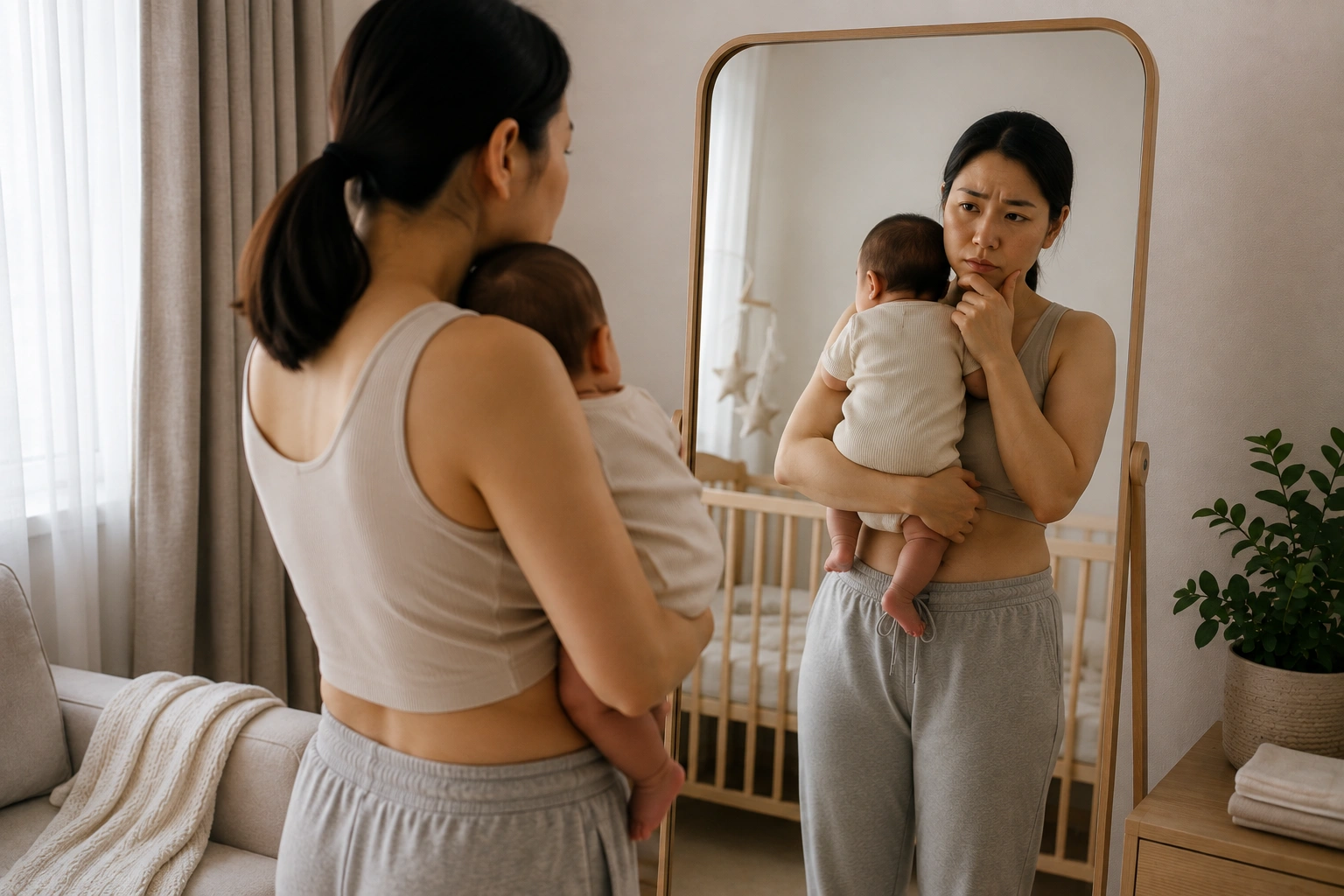
Postpartum weight loss is one of the most common concerns among new mothers. While many women expect to return to their pre-pregnancy weight within a few months after giving birth, losing weight after pregnancy is often more challenging than anticipated.
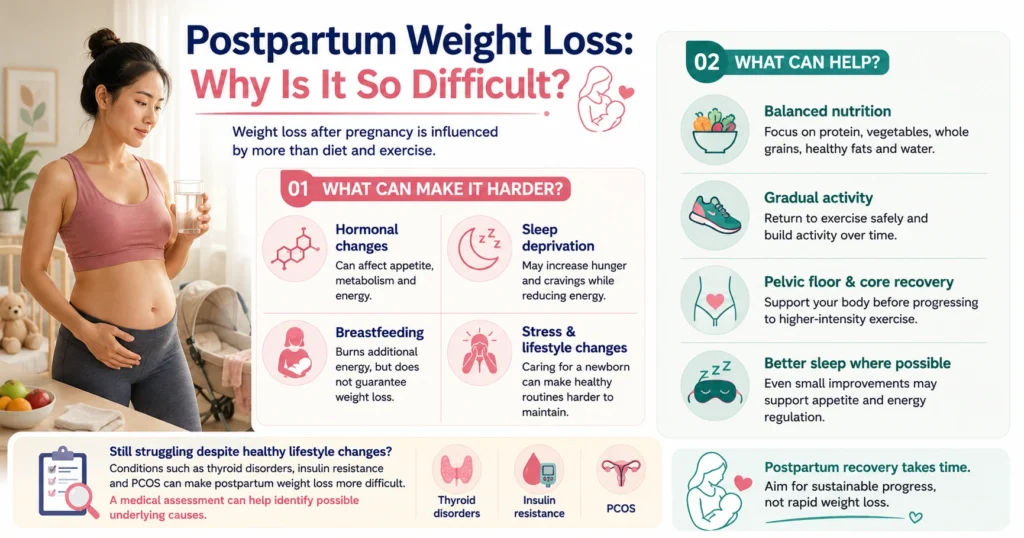
Hormonal changes, sleep deprivation, breastfeeding, stress, and the demands of caring for a newborn can all affect metabolism and make postpartum weight loss slower than expected. In some cases, underlying medical conditions such as thyroid disorders, insulin resistance, or polycystic ovary syndrome (PCOS) may also contribute to persistent weight retention.
The good news is that postpartum weight loss does not require extreme dieting or excessive exercise. Understanding the factors that influence your body after pregnancy can help you develop a realistic, sustainable, and healthy approach to achieving your weight goals.
Key Takeaway
- Postpartum weight loss can be affected by hormones, sleep deprivation, breastfeeding, stress and lifestyle changes.
- Healthy weight loss does not require extreme dieting or excessive exercise.
- Balanced nutrition, gradual physical activity, pelvic floor recovery and adequate sleep can support sustainable weight management.
- Underlying conditions such as thyroid disorders, insulin resistance or PCOS may make weight loss more difficult.
- Professional guidance can help identify underlying causes and determine safe, personalised treatment options.
Why Is It Hard to Lose Weight After Pregnancy?
Many women expect the weight gained during pregnancy to disappear naturally after delivery. While some weight is lost during childbirth and the early postpartum period, several factors can make further weight loss much more difficult.
Hormonal Changes
After childbirth, hormone levels change dramatically. Fluctuations in estrogen, progesterone, insulin, and cortisol can influence:
- Appetite
- Fat storage
- Metabolism
- Energy levels
These hormonal adjustments are a normal part of recovery but may slow weight loss in some women.
Sleep Deprivation
Sleep deprivation is one of the biggest barriers to successful postpartum weight loss.
Interrupted sleep may:
- Increase hunger hormones
- Increase cravings for high-calorie foods
- Reduce fullness after meals
- Lower energy levels for exercise
- Make healthy food choices more difficult
Even when nutrition and physical activity are appropriate, chronic sleep deprivation can significantly affect weight management.
Lifestyle Changes
Looking after a newborn often means there is less time for:
- Preparing nutritious meals
- Regular exercise
- Self-care
- Adequate rest
Many mothers naturally prioritise their baby’s needs before their own, making it difficult to maintain healthy routines consistently.
Stress and Emotional Changes
Adjusting to motherhood can be both physically and emotionally demanding.
Stress may contribute to:
- Emotional eating
- Increased cortisol levels
- Reduced motivation to exercise
- Poor sleep quality
Together, these factors can create a cycle that makes losing weight even more challenging.
Does Breastfeeding Help You Lose Weight?
Breastfeeding requires additional energy, and producing breast milk burns extra calories each day. Breastfeeding may have a small effect on postpartum weight loss, but it does not reliably produce weight loss for everyone. Many mothers experience:
- Increased appetite
- Greater calorie intake
- Sleep deprivation
- Hormonal changes that slow fat loss
Healthy, balanced nutrition remains important during breastfeeding, and restrictive diets are generally not recommended as they may affect maternal nutrition and milk production.
If you are breastfeeding, speak to your healthcare provider before starting any weight loss programme or medication.
How Much Weight Retention Is Normal After Pregnancy?
Most women lose a significant amount of pregnancy-related weight during the first few months after delivery.
However, research shows that, on average, postpartum weight retention is around 0.5–3 kg, although up to about 20% of women may retain more than 4 kg at 1 year.
Persistent postpartum weight retention may increase the long-term risk of:
- Obesity
- Type 2 diabetes
- High blood pressure
- Heart disease
Maintaining a healthy weight after pregnancy is therefore important for your long-term health, not just for appearance.
Medical Conditions That Can Make Postpartum Weight Loss More Difficult
If you have been eating well and exercising consistently but still find it hard to lose weight, an underlying medical condition may be contributing to it.
Thyroid Disorders
Postpartum thyroiditis may occur within the first year after childbirth.
Symptoms include:
- Fatigue
- Weight gain
- Hair loss
- Low mood
- Difficulty concentrating
Simple blood tests can usually diagnose thyroid dysfunction.
Insulin Resistance
Women who developed gestational diabetes have an increased risk of persistent insulin resistance after pregnancy.
This can make weight loss more difficult and also increase the future risk of developing Type 2 diabetes.
Polycystic Ovary Syndrome (PCOS)
Women with PCOS commonly experience:
- Weight gain
- Insulin resistance
- Hormonal imbalance
- Difficulty losing weight
Pregnancy may sometimes worsen existing metabolic challenges.
Not sure what’s affecting your weight after pregnancy?
A consultation with a licensed GoMed doctor can help assess your health, discuss possible reasons for weight retention and help you explore suitable next steps.
What Actually Helps With Postpartum Weight Loss?
Eat for Nourishment, Not Restriction
Rather than following restrictive diets, focus on eating a balanced diet that includes:
- Lean protein
- Vegetables
- Fruits
- Whole grains
- Healthy fats
- Plenty of water
Adequate protein intake is especially important because it helps preserve muscle mass while increasing satiety.
Gradually Increase Physical Activity
Once your doctor has confirmed it is safe to exercise, gradually increase your activity level. ACOG also recommends working toward 150 minutes of moderate-intensity aerobic activity per week postpartum.
Examples include:
- Walking
- Swimming
- Cycling
- Home workouts
- Strength training
- Postnatal exercise programmes
Strength training is particularly beneficial because maintaining muscle mass helps improve metabolism over time.
Prioritise Pelvic Floor Recovery and Core Strength
After pregnancy, rebuilding your pelvic floor and deep core muscles is just as important as losing weight.
Pelvic floor exercises and postnatal core rehabilitation can:
- Improve bladder control
- Reduce back pain
- Enhance core stability
- Support safe return to exercise
- Lower the risk of injury
If you experienced a difficult delivery, significant abdominal separation (diastasis recti), or persistent pelvic symptoms, consider seeking guidance from a women’s health physiotherapist before progressing to higher-intensity exercise.
Prioritise Sleep Whenever Possible
Although uninterrupted sleep is often unrealistic with a newborn, improving sleep quality where possible can support weight management.
Helpful strategies include:
- Sharing night-time caregiving responsibilities
- Sleeping when the baby sleeps
- Establishing a consistent bedtime routine
- Avoiding excessive caffeine late in the day
Small improvements in sleep can have meaningful effects on appetite regulation and energy levels.
Can Weight Loss Medication Help After Pregnancy?
Weight loss medications may be considered for individuals who:
- Meet BMI treatment criteria
- Have obesity-related medical conditions
- Have not achieved sufficient results through lifestyle changes alone
However, weight loss medications are not suitable for everyone. They should not be used during pregnancy and are generally not recommended while breastfeeding because there is limited safety information available for nursing infants.
If you have recently given birth and are considering medical weight management, your doctor will assess your:
- Current health
- Breastfeeding status
- Medical history
- Future pregnancy plans
- Weight loss goals
Treatment recommendations are individualised to ensure that any weight management strategy is both safe and appropriate for your stage of recovery.
When Should You Seek Professional Help?
Consider speaking with a healthcare professional if:
- Weight retention persists beyond 6–12 months after delivery
- You experience excessive fatigue, hair loss, or symptoms of thyroid disease
- You have a history of gestational diabetes or PCOS
- Weight gain is affecting your physical or emotional wellbeing
- Healthy eating and regular exercise have not resulted in meaningful weight loss
Early assessment can help identify underlying causes and provide personalised treatment options.
Conclusion
Losing weight after pregnancy is often more complex than simply eating less and exercising more. Hormonal changes, breastfeeding, sleep deprivation, stress, and underlying medical conditions can all contribute to postpartum weight retention.
A sustainable approach that combines balanced nutrition, regular physical activity, pelvic floor recovery, adequate sleep, and medical support when necessary offers the best chance of achieving long-term success.
If you’re finding it difficult to lose weight after pregnancy despite making healthy lifestyle changes, don’t struggle alone. A medical assessment can help identify potential hormonal or metabolic causes and determine whether additional treatment options may be appropriate.
At GoMed, our doctors provide personalised online medical weight management consultations to assess your health, identify potential barriers to weight loss, and discuss evidence-based treatment options tailored to your individual needs and goals.
Frequently Asked Questions
How long does it take to lose pregnancy weight?
Most women lose a significant amount of pregnancy weight during the first three to six months after delivery. However, it is common to retain some weight for up to a year.
Every woman’s recovery is different and depends on factors such as sleep, breastfeeding, nutrition, physical activity, and overall health.
Why am I still gaining weight after pregnancy?
Weight gain after pregnancy may be related to hormonal changes, sleep deprivation, emotional stress, reduced physical activity, thyroid disorders, insulin resistance, or PCOS. A medical assessment may be helpful if weight gain persists despite healthy lifestyle habits.
Does breastfeeding always help with weight loss?
Not necessarily. While breastfeeding burns additional calories, it can also increase hunger and appetite. Some mothers lose weight while breastfeeding, whereas others experience slower weight loss due to hormonal changes and increased calorie intake.
Can I exercise immediately after giving birth?
Exercise routines may be resumed gradually after pregnancy as soon as it is medically safe, depending on the mode of delivery (vaginal or cesarean birth) and the presence or absence of medical or surgical complications.
Light walking can often be resumed soon after delivery if you feel well. Always follow your doctor’s advice before returning to exercise.
Can I use weight loss injections after pregnancy?
Weight loss injections may be suitable for some women after pregnancy if they meet treatment criteria. However, they are not recommended during pregnancy or breastfeeding, and treatment should only be started after assessment by a qualified healthcare professional.
References
- American College of Obstetricians and Gynecologists (ACOG). Optimizing Postpartum Care. Committee Opinion No. 736. 2018.
- Endres LK, Straub H, McKinney C, et al. Postpartum weight retention risk factors and relationship to obesity at one year. Obstetrics & Gynecology. 2015;125(1):144–152.
- Nehring I, Schmoll S, Beyerlein A, Hauner H, von Kries R. Gestational weight gain and long-term postpartum weight retention: A meta-analysis. American Journal of Clinical Nutrition. 2011;94(5):1225–1231.
- Chaput JP, Dutil C. Lack of sleep as a contributor to obesity in adults: An update. Current Obesity Reports. 2016;5(4):354–360.
- Stagnaro-Green A. Postpartum thyroiditis. Best Practice & Research Clinical Endocrinology & Metabolism. 2004;18(2):303–316.
- American Diabetes Association. Standards of Care in Diabetes – 2025.
- Teede HJ, Misso ML, Costello MF, et al. International Evidence-Based Guideline for the Assessment and Management of Polycystic Ovary Syndrome: 2023 Update.
- Wharton S, Lau DCW, Vallis M, et al. Obesity in adults: A clinical practice guideline. Canadian Medical Association Journal. 2020;192(31):E875–E891.
- Makama M, Skouteris H, Moran LJ, Lim S. Reducing Postpartum Weight Retention: A Review of the Implementation Challenges of Postpartum Lifestyle Interventions. J Clin Med. 2021;10(9):1891. doi:10.3390/jcm10091891